The Dawn of AI Music Creation
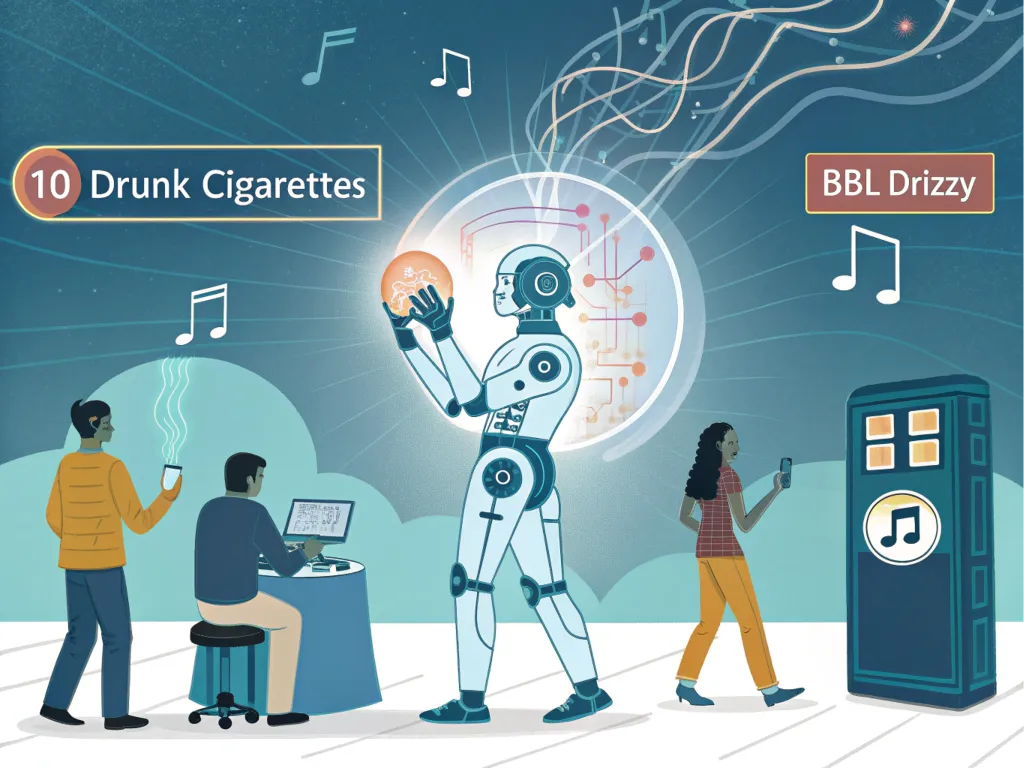
The music industry is experiencing a revolutionary transformation with the rise of AI-generated content. Recent viral hits like “10 Drunk Cigarettes” and “BBL Drizzy” have demonstrated the potential of AI in music creation, sparking both excitement and concern throughout the industry. At SingMeSong, we’re at the forefront of this revolution, witnessing firsthand how AI is democratizing music creation while navigating the complex landscape of artistic expression.
Industry Challenges and Legal Considerations
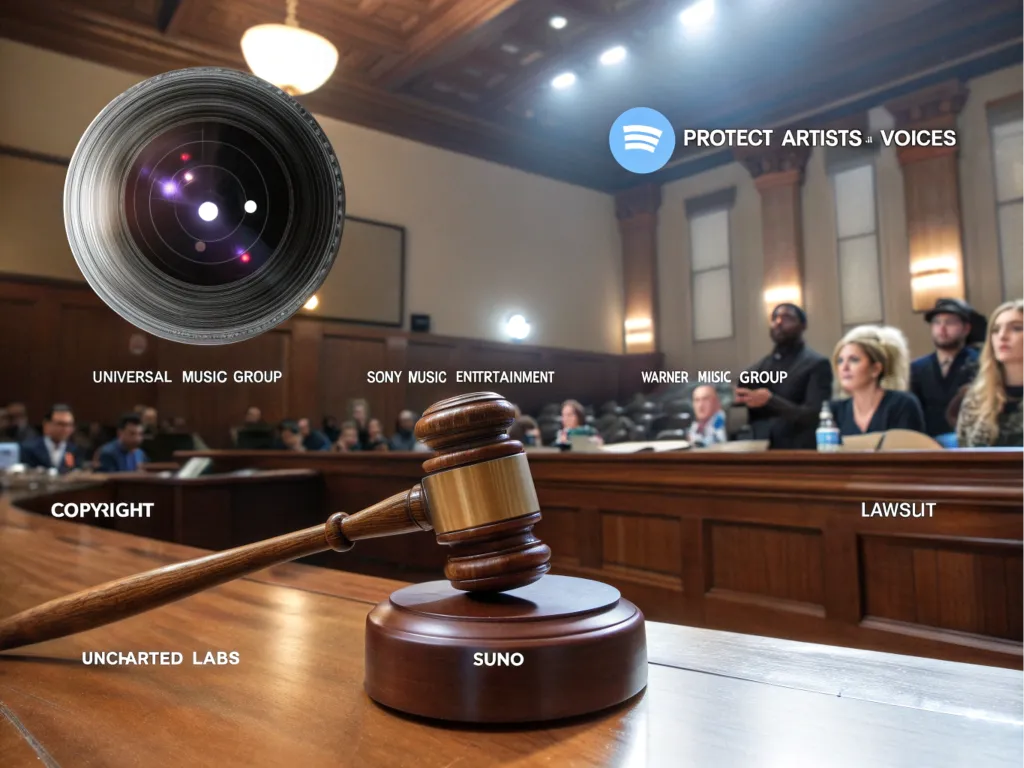
The traditional music industry has responded to AI’s emergence with swift and decisive action. Major record labels - Universal Music Group, Sony Music Entertainment, and Warner Music Group - have initiated legal challenges against AI music companies like Uncharted Labs and Suno. At the heart of these lawsuits lies a fundamental question: can AI companies use copyrighted music to train their systems without permission from rights holders?
The industry’s concerns extend far beyond legal territories. More than 200 prominent artists, including cultural icons like Billie Eilish, Stevie Wonder, and Nicki Minaj, have united to voice their concerns through an open letter to AI companies. Their primary concerns focus on potential threats to artists’ voices, likenesses, and the broader music ecosystem. The unauthorized replication of artists’ voices, as evidenced in AI-generated versions of Drake and The Weeknd, has particularly alarmed the industry, leading to swift removal actions by record labels.
Democratizing Music Creation
Despite these challenges, AI music platforms are revolutionizing accessibility to music creation. Platforms like SingMeSong, along with other pioneers such as Sound Draw, Musicfy, AIVA, and Boomy, have emerged as transformative forces in this space. These platforms offer user-friendly interfaces that transform text prompts into musical compositions, allowing users to manipulate various musical elements - from genre and tempo to mood and instrumentation - without requiring traditional musical training or expensive equipment.
As Cassie Speer, director of “creative success” at Boomy, eloquently puts it: “You don’t need to purchase fancy gear. You don’t have to have music lessons.” This vision of accessibility becomes particularly significant when considering the current state of music education in America. According to the Arts Education Data Project, 8% of U.S. public school students lack access to music education during school hours, highlighting a critical gap that AI tools can help bridge.
Educational Impact and Future Opportunities
The integration of AI music tools in education represents one of the most promising frontiers in this revolution. Companies are taking active steps in this direction, with initiatives like Boomy’s educational outreach program leading the way. These efforts extend beyond mere technology adoption; they seek to address systemic inequalities in music education and creation.
The vision for educational integration is particularly compelling when considering Speer’s observation: “Marginalized people are often left behind in tech, and they’re not given the same access.” This has led to increased efforts to create partnerships between the music industry and educational institutions, expanding access to musical creation tools. At SingMeSong, we share this commitment to making music creation accessible to all, regardless of background or traditional musical training.
The Artist’s Perspective: A Mixed Response
The artistic community’s response to AI music tools reveals a fascinating spectrum of opinions. Some emerging artists have embraced AI as a valuable addition to their creative toolkit. Regi Worles of the band Dog Tags sees AI’s potential to energize local music scenes by empowering those who lack traditional musical training. His bandmate, Michael Merola, has already incorporated AI tools into his creative process, using them for tasks like lyrical refinement.
However, the enthusiasm isn’t universal. Singer-songwriter Genevieve Libien represents a more cautious perspective, expressing concern about AI’s impact on music’s human element. “Music to me is so human and intrinsic to our humanity,” she argues, viewing AI’s involvement as potentially diminishing this essential quality. This diversity of opinions highlights the importance of developing AI tools that enhance rather than replace human creativity.
Regulatory Framework and Industry Evolution
The growing influence of AI in music has prompted significant regulatory responses. Tennessee has emerged as a pioneer in this space, becoming the first state to enact legislation protecting musicians from unauthorized AI voice replication. This legislative action mirrors similar developments in other creative industries, such as the Hollywood writers’ successful negotiation of AI usage guidelines.
Business Models and Innovation
Companies in the AI music space are developing innovative business models to navigate this new territory. Many platforms, while offering free basic access, implement tiered pricing for publishing rights and retain ownership of AI-created tracks while sharing profits with users. This approach raises important questions about intellectual property and creative ownership in the AI era.
At SingMeSong, we’re working to strike the right balance between accessibility and fair compensation for all stakeholders in the creative process.
The Path Forward
The AI music revolution presents both unprecedented opportunities and significant challenges. While it promises to democratize music creation and address educational gaps, it also raises fundamental questions about artistic authenticity, creative rights, and the future of human expression in music. As the technology continues to evolve, finding a balance between innovation and preservation of artistic integrity remains crucial.
Conclusion
The ongoing dialogue between AI companies, traditional music industry players, and artists will undoubtedly shape how this technology is integrated into the musical landscape. The challenge lies in harnessing AI’s potential to expand creative possibilities while protecting the rights and interests of human artists and maintaining the authentic human connection that makes music such a powerful form of expression.
At SingMeSong, we remain committed to being part of this important conversation while providing tools that empower creators to express themselves through music in new and exciting ways.
Ready to join the music creation revolution? Visit SingMeSong to start your musical journey today.
 At the heart of v2 lies a completely revamped audio engine that delivers unprecedented clarity and fidelity. Our new model produces cleaner audio with sharper lyrics and more natural-sounding vocals. Whether you’re creating pop anthems or experimental electronic tracks, you’ll notice the difference immediately in the professional quality of your outputs.